
Best Times of the Year to Visit Thailand and What to Expect

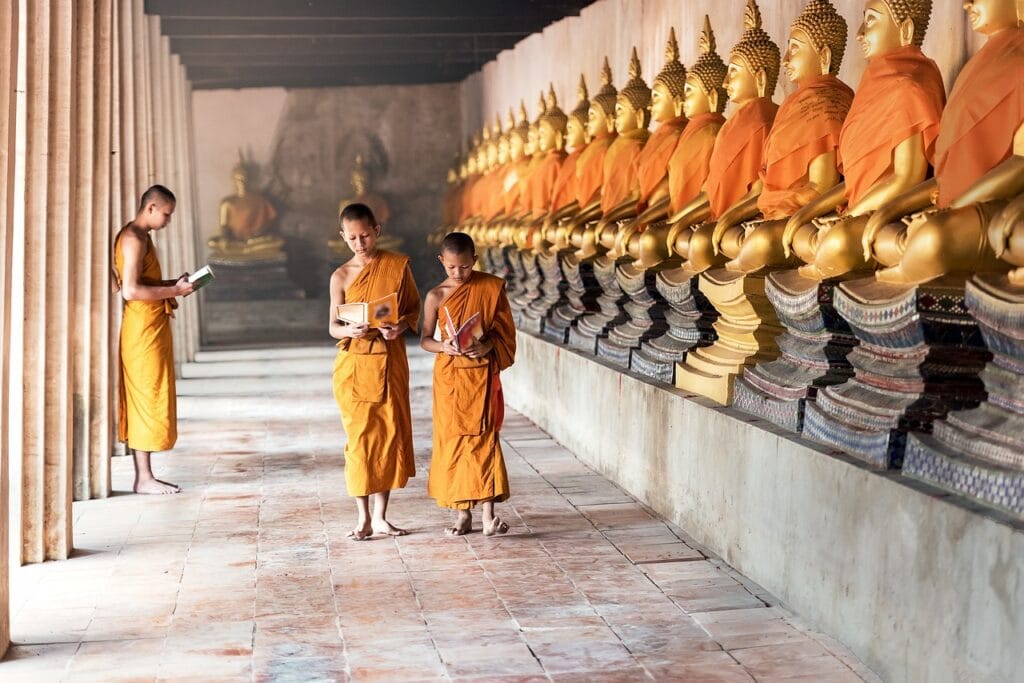
buddhism, asia, boys

When considering the best time to visit Thailand, it’s important to look at various aspects beyond just the weather. Here’s a more comprehensive breakdown, taking into account multiple factors that could influence your travel plans:

1. Weather and Climate

  • Cool Season (November to February) The most comfortable and popular season for travelers due to moderate temperatures and low humidity. This is ideal for exploring the cities, cultural sites, and engaging in outdoor activities like trekking.
  • Hot Season (March to May): While it can get unbearably hot, the coastal areas and islands are still great to visit, with warm sea temperatures ideal for swimming and water sports.
  • Rainy Season (June to October): Although the weather can be unpredictable, this is when Thailand’s landscapes are at their most lush and vibrant. However, some activities may be limited by heavy rains, especially in more remote areas or on the islands.

2. Tourism Crowds

  • Peak Season (November to February): The cool season coincides with the high season for tourism, so popular destinations like Bangkok, Chiang Mai, and the islands can be crowded. This means higher prices for flights and accommodation.
  • Off-Peak Season (June to October): The rainy season is considered the low season for tourists. You can enjoy fewer crowds, more peace and quiet, and better deals on hotels and tours. However, some remote areas or islands may be less accessible due to the weather.

3. Cost and Budget

  • High Season (November to February): Expect higher prices for accommodations, flights, and tours due to demand. While it’s the best time for weather, it may not be the most budget-friendly time to travel.
  • Low Season (June to October): You can save significantly on accommodations, flights, and tours during the rainy season. Many resorts and businesses offer discounts to attract tourists during this period, making it an excellent time for budget-conscious travelers.

4. Festivals and Cultural Events

  • Loy Krathong (November): Celebrated during the cool season, this festival is a must-experience, especially if you’re in places like Chiang Mai or Sukhothai. Expect magical scenes with thousands of lanterns floating on rivers and lakes.
  • Songkran (April): Songkran (April): Thailand’s Songkran festival marks the Thai New Year with nationwide celebrations every April. This vibrant event transforms streets into lively water-soaked parties, attracting travelers from around the world. As one of the largest street festivals globally, Songkran is the perfect way to embrace Thai culture while cooling off in the peak of the hot season. Dive into the fun, joy, and unity of this unforgettable celebration!
  • Other Festivals: Each region of Thailand hosts unique festivals, such as the Yi Peng Lantern Festival in Chiang Mai (November) or the King’s Birthday in December, where you can experience Thai culture in its most festive form.
lantern, tradition, couple
glowing lanterns floating (Chiangmai, Thailand)

5. Activities and Interests

  • Beach Lovers: The coastal areas and islands like Koh Samui, Phuket, and Krabi are great year-round, but they’re at their best in the cool and hot seasons. In the rainy season, the western islands (Andaman Sea) may have rough seas, while the eastern Gulf islands (like Koh Samui) are often less affected.
  • Adventure Seekers: The rainy season is great for nature lovers and adventurers who want to experience lush jungles, waterfalls, and scenic landscapes. Northern Thailand, in particular, is ideal for trekking, while rafting and kayaking are popular activities during the rain.
  • Cultural and Heritage Enthusiasts: The cooler months are perfect for exploring cities like Bangkok and Chiang Mai, where you can visit historical temples, royal palaces, and cultural sites without the intense heat.

6. Wildlife and Nature

  • Cool Season (November to February): The cooler months offer the best opportunities for wildlife viewing, especially in national parks like Khao Yai, where animals are more active in the cooler weather. Additionally, this is the time when the landscapes are lush, and the flora is vibrant. style and budget. They take the time to understand what you’re looking for, ensuring a memorable experience.
  • Rainy Season (June to October): This is the monsoon season, which brings lush greenery and plenty of wildlife sightings, especially in northern and central Thailand. The wet weather creates the ideal conditions for trekking through dense forests, though there might be some risk of landslides or road closures in certain areas.

7. Local Experiences and Off-the-Beaten-Path Travel

  • Cool Season: The high season for tourists means that many off-the-beaten-path destinations are busier, but it’s still a good time for cultural immersion as many festivals and local events take place during this period.
  • Rainy Season: This is the best time for travelers looking to avoid crowds and experience Thailand in a more peaceful setting. Although some tourist activities may be limited, it’s an excellent time for eco-tourism and exploring Thailand’s rural villages, where you’ll see a side of the country that many tourists miss.

Conclusion

  • Best Time to Visit for Weather: November to February (cool season)
  • Best Time for Budget Travel: June to October (rainy season)
  • Best for Festivals and Culture: November and April (Loy Krathong and Songkran)
  • Best for Adventure and Nature: June to October (rainy season)
  • Best for Beach Lovers: November to May (cool and hot seasons)

Ultimately, Thailand offers something for everyone at any time of year, and choosing the right season depends on your personal preferences, activities, and budget. Whether you’re drawn to Thailand’s festivals or its hidden beaches, if planning isn’t your thing, let Wik Travel design an exclusive journey tailored just for you.”

Latest Blogs About Thailand